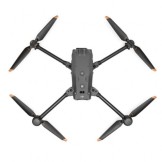
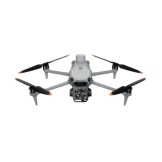
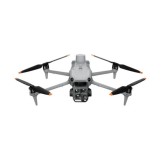
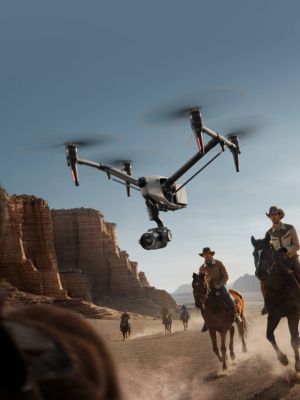
The use of drones is expanding in France, both for recreational and professional purposes. But be careful: drone regulations are strict and change regularly. In 2025, they are based on European laws (EU 2019/947 and 2019/945) and on national rules defined by the DGAC.
Here is a clear and up-to-date guide to understanding drone regulations in France, whether you are a beginner, an enthusiast, or a professional remote pilot.
1. Drone regulation in France: the legal framework
-
Regulation (EU) 2019/947: drone operations in the EU (EASA)
-
Regulation (EU) 2019/945: technical requirements (classes C0 to C4).
-
Decree of December 3, 2020: French-specific rules.
-
DGAC / AlphaTango: mandatory registration → official website
2. Common rules for all drones
-
Maximum altitude: 120 m.
-
Visual Line of Sight (VLOS) required.
-
No flying over crowds.
-
Respect no-fly zones: airports, nuclear plants, military bases (check Geoportail drones).
-
Minimum age: 14 years for drones >250 g.
-
3. Drone regulation for recreational use
Individuals use drones for photography, video, or the simple pleasure of flying.
Registration and training
Applicable categories
-
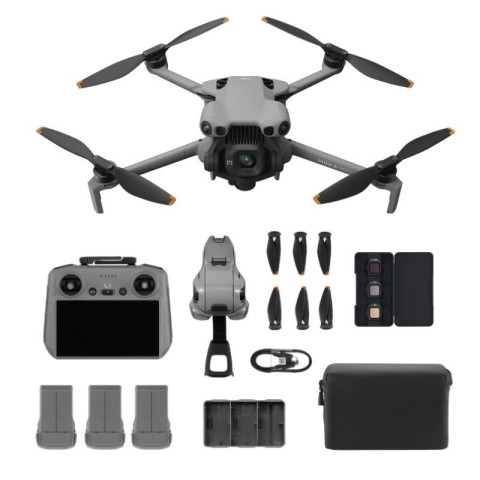
A1: drones <250 g (e.g., DJI Mini 4 Pro), allowed to fly close to people (but not over crowds).
-
A3: heavier drones → flights only far from houses and people.
Restrictions
4. Drone regulation for professional use
Professional pilots use drones for paid activities: inspection, audiovisual, agriculture, logistics, security.
Registration and identification
Training
Categories
-
Open: for simple missions in clear areas.
-
Specific: complex missions (urban areas, flying over infrastructures). Requires a SORA risk assessment and DSAC authorization.
-
Certified: transport of people or dangerous goods (still emerging).
Additional obligations
--- Veux-tu que je garde ce format HTML déjà prêt à intégrer dans ton site (comme tu m’as donné) ou que je fasse aussi une version texte simplifiée sans balises ?
.png)
 English
 Français
 Deutsch
 Nederlands
 Italiano
 Español














.jpg)