Drone regulations in France 2025: Complete Guide

Drone regulations in France 2025: Complete Guide

09/15/2025 16:49:59 Home

The use of drones is expanding in France, both for recreational and professional purposes. But be careful: drone regulations are strict and change regularly. In 2025, they are based on European laws (EU 2019/947 and 2019/945) and on national rules defined by the DGAC.

Here is a clear and up-to-date guide to understanding drone regulations in France, whether you are a beginner, an enthusiast, or a professional remote pilot.


1. Drone regulation in France: the legal framework

  • Regulation (EU) 2019/947: drone operations in the EU (EASA)

  • Regulation (EU) 2019/945: technical requirements (classes C0 to C4).

  • Decree of December 3, 2020: French-specific rules.

  • DGAC / AlphaTango: mandatory registration → official website


2. Common rules for all drones

  • Maximum altitude: 120 m.

  • Visual Line of Sight (VLOS) required.

  • No flying over crowds.

  • Respect no-fly zones: airports, nuclear plants, military bases (check Geoportail drones).

  • Minimum age: 14 years for drones >250 g.

  •  

3. Drone regulation for recreational use

Individuals use drones for photography, video, or the simple pleasure of flying.

Registration and training

  • Registration on AlphaTango required for any drone weighing more than 250 g or equipped with a camera.

  • Online training A1/A3 mandatory if >250 g.

Applicable categories

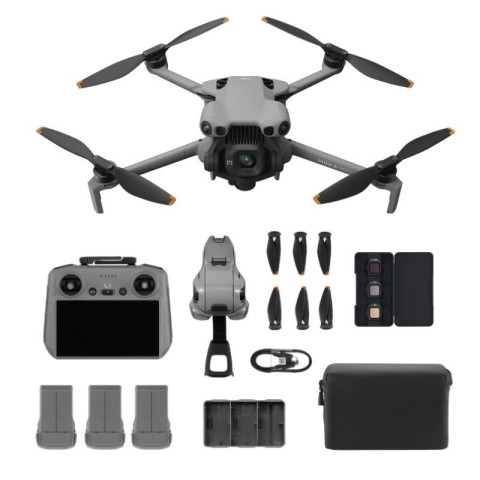
  • A1: drones <250 g (e.g., DJI Mini 4 Pro), allowed to fly close to people (but not over crowds).

  • A3: heavier drones → flights only far from houses and people.

Restrictions

  • Night flights prohibited.

  • Urban flights restricted: prohibited in built-up areas unless special authorization is granted.

  •  

4. Drone regulation for professional use

Professional pilots use drones for paid activities: inspection, audiovisual, agriculture, logistics, security.

Registration and identification

  • Registration required starting from 250 g.

  • For drones >800 g: specific registration + electronic beacon Remote ID.

Training

  • Theoretical certificate CATT (Certificat d’Aptitude Théorique Télépilote).

  • Practical training strongly recommended.

Categories

  • Open: for simple missions in clear areas.

  • Specific: complex missions (urban areas, flying over infrastructures). Requires a SORA risk assessment and DSAC authorization.

  • Certified: transport of people or dangerous goods (still emerging).

Additional obligations

  • Mandatory professional insurance.

  • Operations manual (Manex) + safety procedures.

--- Veux-tu que je garde ce format HTML déjà prêt à intégrer dans ton site (comme tu m’as donné) ou que je fasse aussi une version texte simplifiée sans balises ?

5. Comparison table: recreational vs professional use

Criterion Recreational Professional
Registration Mandatory if >250 g or with camera Mandatory from 250 g
Identification Rare, except >800 g Mandatory if >800 g + Remote ID
Training A1/A3 online (free) CATT + practical training
Flight zones Countryside, open areas Possible in cities with authorization
Insurance Recommended Mandatory
Documents AlphaTango certificate Manex + SORA + DSAC authorization
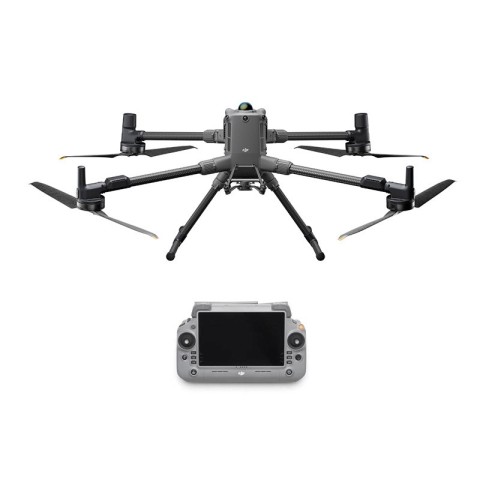
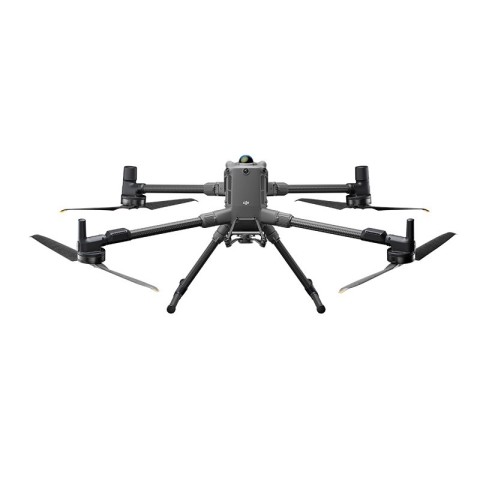
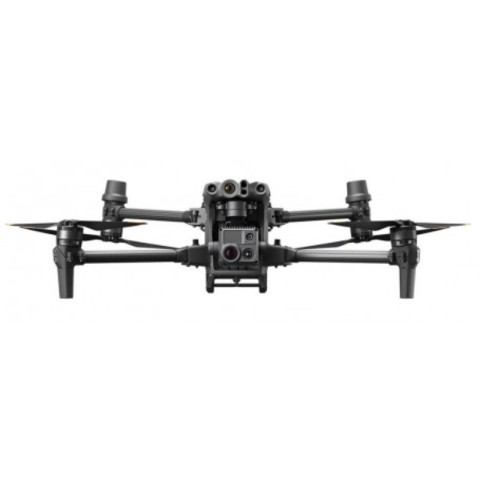
Example DJI Mini 4 Pro on vacation DJI M300 for industrial inspection

6. Penalties for non-compliance

  • Administrative fines → several thousand euros possible.

  • Drone seizure.

  • Civil and criminal liability in the event of an accident.
    (Source: DGAC / drone-laws.com)

7. What’s new in 2025 drone regulations

  • Remote ID mandatory for most professional drones (>800 g).

  • Regulated development of agricultural spraying drones.

  • Increased European harmonization, but France keeps specific rules for urban flights.

8. Quick checklist

For recreational flights:

Drone <250 g → no registration, but must follow the rules
Drone >250 g → AlphaTango + A1/A3 training
Check restricted areas (Geoportail)

For professional missions:

Operator + drone registration
CATT + practical training
Mandatory insurance
DSAC authorization if Specific category
Remote ID if >800 g

Conclusion

Drone regulation in France in 2025 is based on a clear principle: the higher the risk, the stricter the requirements.

  • Recreational users benefit from a simple framework (open category).

  • Professionals must plan for authorizations, training, and insurance.